

Here are notable and recent updates from the GLP-1 and addiction landscape.
1. Eli Lilly Leans Into Brenipatide at Psych Congress
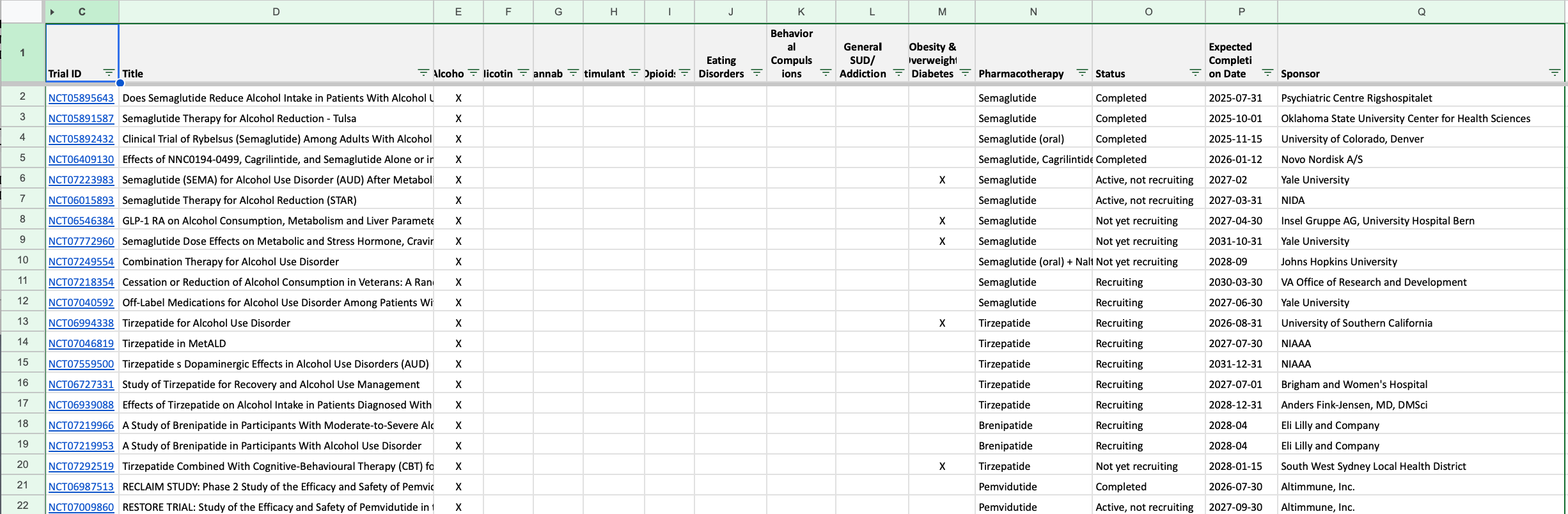
The Summary: Eli Lilly and Company presented not one, not two, but five posters related to substance use disorders at the 2026 Psych Congress in New Orleans. Collaborating with a network of external researchers, their presentations showcase brenipatide, their investigative molecule currently in trials for alcohol use disorder, severe alcohol use disorder, preventing return to nicotine use, and opioid use disorder, in addition to other conditions. The posters span multiple topics, including the potential for BMI-specific dosing of brenipatide for substance use, as well as analysis of data of how DSM 5 criteria differ from World Health Organization drinking levels.
E) Development of a Conceptual Model of the Patient Experience of Alcohol Use Disorder (AUD) - A Targeted Qualitative Literature Review [link not available]
Our Takeaway: It is really exciting to see Eli Lilly leaning into alcohol and other substance use disorders. Eli Lilly has also started a dialogue around their work for alcohol use disorder (“What if the same underlying biology helping people manage diabetes and obesity could also help someone reduce their drinking”), and creating resources for clinicians.
There are a few things that stand out with these posters. First, the breadth of this work makes it clear that Eli Lilly is investing tremendous resources into this space. Second, although Eli Lilly has another molecule in clinical trials for alcohol use disorder (mavidutide), that work is not as developed and not included. Third, despite the cohort studies of tirzepatide for substance use disorders and the trials of tirzepatide for alcohol use disorder being conducted outside of industry, Eli Lilly does not appear to be advancing tirzepatide for alcohol use disorder. It’s not clear whether that is because tirzepatide causes too much weight loss at standard dosing schedules, there is too much stigma attached to alcohol use disorder to expand a label for weight loss/diabetes into this space, market pressures, or something else.
2. Addiction clinics see rising cases of kratom and 7-OH withdrawal
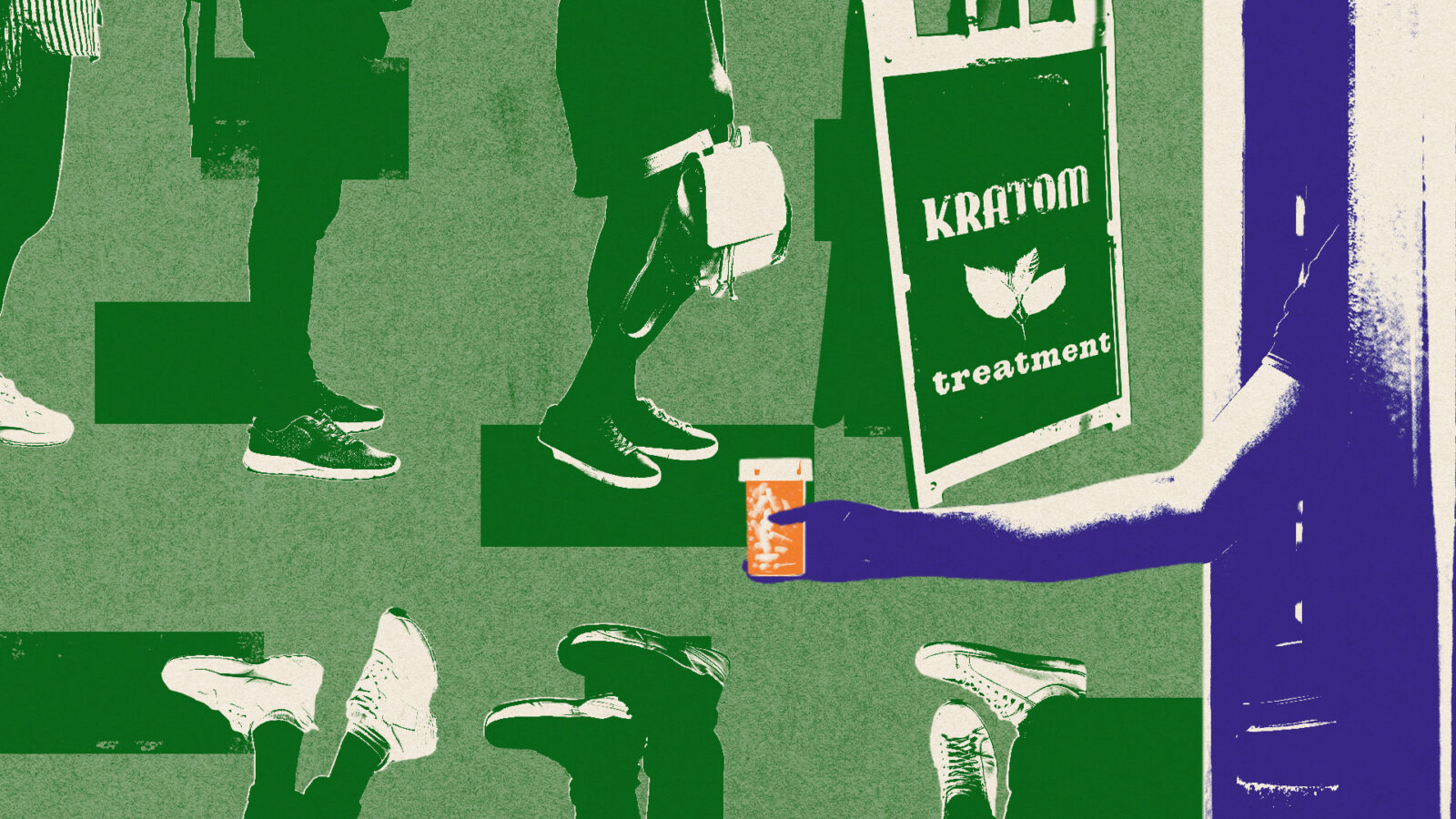
The Summary: Across the country in both telemedicine and residential treatment the use of Kratom as both a primary substance and also part of a polysubstance use story is increasing. While the powdered leaf kratom, which carries its own addictive properties, has been on sale for years in the U.S., the emergence of newer, more potent derivatives and concentrates has led to a surge in dependence and those seeking help to stop. The government at the state and federal level has been keeping track of this usage spike and taking steps to limit and halt access to the public. The result, according to Ayesha Appa of Boulder Care, is large groups of people losing access to the drug and needing addiction services to wean off. Theresa Gaffney reports staggering increases in admissions and patients reporting use of these substances across multiple recovery centers. Gaffney interviewed Quel Health co-founder Steve, who told her of an increase in the patients at Caron Treatment Centers being treated for Kratom and 7-OH usage. Additionally, he noted some of the pathways that people find Kratom: patients try something that is “over-the-counter” and thus deemed safe. But in some cases, patients with long-term opioid use disorder in remission can stumble across these products and take them not realizing that they are opioids. This can send them down the path of return to use.
Our Takeaway: Kratom/7-OH represents yet another pathway in the self-medicating and quick fix spectrum. These products are often marketed to boost energy, ease anxiety, or to quiet chronic pain. These benefits can come with risks and costs. Direct-to-consumer, over-the-counter sales and marketing of these products has led to their acceptability and accessibility. But we question the system. As a society we continue to seek the quick fix for these issues in place of the painstaking, high-investment work of societal change, mental health infrastructure, and accessibility of health care. We will continue to see the use of products like Kratom, alcohol, and other drugs/behaviors as we propagate a system of dysregulated dopamine. We can keep regulating and treating the drug du jour or at some point we can address the core problem.
-Marlene & Steve
Schedule a free call with a provider